What Is a Property Chain?
29 February 2024 • 10 min read
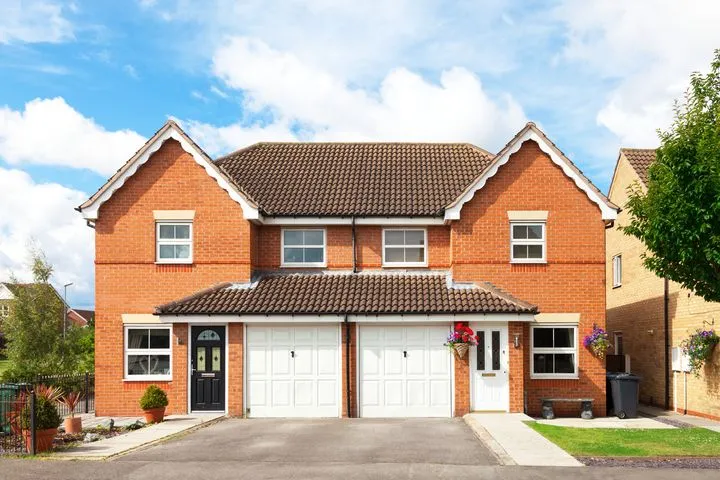
A property chain is a series of linked property transactions where each purchase depends on another sale completing. With multiple buyers and sellers relying on each other’s transactions, delays or fall-throughs can affect everyone else in the chain.
See what our customers have to say about us
Key Takeaways:
- A property chain links several buyers and sellers, where each transaction depends on the previous one completing successfully.
- The longer the chain, the greater the risk of delays or a property sale falling through.
- Chain-free buyers and sellers enjoy fewer transactions and less risk of delays or fall-throughs.
- Proactive communication, early preparation, and a digital-first conveyancing approach help keep chains moving.
- Although no conveyancers can eliminate chain risks, identifying issues early and giving regular updates can reduce avoidable delays.
A property chain is a series of linked transactions in which each buyer’s purchase depends on the seller completing their own move. Residential purchases in England and Wales that are part of a property chain are naturally more prone to delays, as a failed transaction can affect everyone in the chain.
We’ve often found that buyers assume their transaction relies solely on their own finances and conveyancer. In practice, the biggest bottlenecks usually originate elsewhere in the chain. A late mortgage approval, a negative survey result in another property, or an unexpected buyer withdrawal can cause significant delays in a property transaction, even if the issue occurs several links down the chain.
What is an example of a property chain?
- Start of the chain. A first-time buyer who is not selling, just buying their first property
- Middle of the chain. A homeowner who is selling to a first-time buyer and is buying from a retiree
- End of the chain. A retiree who is selling to a homeowner and moving in with family
This is a two-person chain, as the transaction includes two purchases. A property chain always begins with someone who is only buying and ends with someone who is only selling. When you’re in a property chain, your completion date depends on when your seller can move into their new house.
The more buyers and sellers involved, the greater the likelihood of delays because every transaction must reach exchange and completion in the correct order. Even a single unexpected issue can temporarily pause the entire chain.

What is a chain-free property transaction?
A chain-free property is one where the buyer or seller does not rely on another property transaction to complete first. With fewer parties involved, chain-free purchases often proceed faster and have a lower risk of delays.
Among the examples are:
- A first-time buyer purchasing a new build
- Moving in with your family or friends once you have sold your home
- Buying a vacant or repossessed property
- Part-exchanging your current property with a developer
This is also known as having no onward chain and occurs when the buyer or seller doesn’t need to rely on other transactions in order to complete their own. This is because the vendor doesn’t need to buy at the same time they are selling, and vice versa.
What causes a property chain to collapse?
- Someone in the chain changes their mind about buying or selling
- The conveyancer or solicitor, estate agent or legal firm takes too long to process the paperwork
- One of the vendor’s mortgage applications was rejected
- The property survey shows costly or dangerous problems
A sale falling through can affect everyone in the chain. For example, you may have to put your property back on the market and miss out on your dream house, or you could lose money that you have already invested in your house purchase.
There are risks involved in a property chain, as it can have many links, each with its own estate agent, legal firm, surveyor, and mortgage lender, providing ample opportunity for things to go wrong and potentially causing the chain to collapse.
We’ve found that chain collapses are rarely caused by a single legal issue. It’s often a result of several smaller problems building up. For example, survey concerns, mortgage delays, poor communication between different parties, or changing personal circumstances.
What can a chain collapse cost?
A chain collapse before exchange is not just expensive but also frustrating. Buyers are usually the ones who lose the most, especially since they have more disbursements to cover before exchange. Among the costs are:
- Property surveys (£400 to £1,200). This depends on the property size and choice of survey.
- Mortgage valuation fees (£150 to £350). This is often based on the property values, although some modern lenders may offer this for free.
- Conveyancing searches (£200 to £450). This is a non-refundable cost for buyers.
- Mortgage arrangement fee (£999 to £2,000). This is usually refundable if the loan is not drawn down. Some application or booking fees may be non-refundable. It’s usually £99 to £250.
Sellers also lose when a chain collapses. It may not always be monetary, but the effect is still worth considering.
- Remarketing/Estate Agency costs (£100 to £300). Some high-street agents have a ‘no sale, no fee’ policy, but some online agents or portal listings like Zoopla or Rightmove charge an upfront fee of £100 to £300.
- Time to completion (8 to 12 weeks). This is how long it usually takes to find a new buyer, restart the legal checks, and secure a new mortgage approval.
Depending on how far along the transaction is, restarting the property sale can delay completion by several weeks or months.
How to reduce the risk of a property chain?
If you’re selling your property, choosing the right buyer is the best way to avoid the risk of a property chain. In our experience, the strongest buyer isn’t always the one offering the highest price. In many cases, it’s the one with the lowest risk of the transaction falling through.
Among the buyers with the lowest risk are:
- A first-time buyer with a mortgage in principle and a deposit ready is a strong choice because they have no property to sell.
- A homeowner selling to a verified cash buyer is also a good transaction because the chain is shorter (no mortgage involved because it’s a cash purchase) and more predictable.
A high-risk situation, on the other hand, is a homeowner selling to a buyer who is still waiting for surveys or mortgage approval.
While price is an important factor, sellers should also consider the likelihood of a transaction completing successfully. Opting for a slightly lower offer from a chain-free buyer may be preferable to a higher offer with greater chain risk.
Of course, no matter who you choose as the buyer, there will always be a chance that something unfortunate could happen. But choosing a chain-free transaction significantly reduces the risk of delays.
We’ve found that some clients look for short-term accommodation or temporarily move in with family or friends to bridge the gap between selling their old property and buying a new one. Although this involves additional moving costs, it can make an offer more attractive when purchasing the next property because the buyer becomes chain-free.
If you’re buying a property, you can look for new builds, as they have no upward chain, which reduces your risk.
How can you keep a property chain moving?
Although several factors beyond your control could cause delays, keeping a property chain moving is not impossible. Here are things you can do to ensure you’re not holding the process up in your part of the chain:
- Prepare before making an offer. Get your mortgage in principle, proof of deposit, identification, and conveyancer ready before making an offer.
- Respond quickly. Delays occur when documents, enquiries, or mortgage information are returned late. Responding promptly prevents unnecessary hold-ups across the chain.
- Instruct a proactive conveyancer. Choose a firm that communicates digitally and proactively drives the paperwork forward without waiting for prompts.
- Maintain ecosystem-wide communication. Share regular updates with estate agents, mortgage brokers, buyers, and sellers to catch risks early.
In our experience, communication is one of the underrated ways to keep a property chain moving. It ensures everyone stays aligned and can promptly address issues or prepare requirements early, so they won’t cause unnecessary delays.
What happens if a property chain collapses after exchange?
Once contracts are exchanged, both buyer and seller are legally bound to complete the transaction on the specified completion date. If a property chain collapses after exchange, it triggers immediate legal and financial consequences for the one who breached the contract.
In England and Wales, property chains remain flexible and non-binding until contracts are exchanged. Valid contracts that comply with Section 2 of the Law of Property (Miscellaneous Provisions) Act 1989 require the agreement to be in writing and signed. Once the conveyancers execute the formal exchange, a binding link is created. If the buyer fails to complete after this point, they risk losing their entire 10% deposit, being sued for damages, and receiving a ‘Notice to Complete’ that forces them to pay daily interest penalties.
Conversely, if a seller fails to complete after exchange, they will also be served a ‘Notice to Complete’ with a strict deadline to hand over the property, usually within 10 working days. If it’s not possible, they need to return the buyer’s 10% deposit (plus any accrued interest). They can also be sued for breach of contract, so the buyer can recover costs such as storage fees, aborted legal expenses, and emergency accommodations. In extreme cases, the buyer can apply to the High Court for an injunction for ‘Specific Performance’ to legally compel the seller to complete.
This is why conveyancers should be careful in vetting and syncing the entire chain before initiating exchange. They must ensure every link is contractually ready to bind themselves simultaneously, thereby eliminating the risk of post-exchange default.
How to See a Property Chain to Completion
Property chains are a normal part of buying and selling homes in England and Wales. However, they come with additional complexity because they involve several transactions linked to one another. While nobody can completely eliminate chain risk, choosing an experienced conveyancer, preparing documents early, maintaining regular communication, and responding promptly can reduce avoidable delays.
We’ve found that the most successful transactions are those in which potential issues are identified early, and every party understands what needs to happen next. This is why our conveyancing service offers proactive communication and transparency, not just legal expertise.
Learn more about property chains and how we can help you either avoid one or keep the chain moving at a steady pace. Get a free conveyancing quote within minutes.
FAQs: Property Chain
There’s no definite timescale because every chain is unique. Completion depends on factors such as mortgage approvals, council search turnarounds, structural survey results, and the number of transactions linked.
A straightforward, chain-free freehold transaction managed by Muve can exchange in as little as 7 weeks. However, you can’t simply multiply this by the number of links in a chain. Many conveyancing stages (e.g., ordering searchers and processing mortgage underwriting) happen simultaneously across the linked transactions.
Yes, before contracts are exchanged, either the buyer or the seller can still withdraw from the transaction. There won’t be legal consequences, but they may have already lost money, especially on surveys, searches, or mortgage fees.
Often, yes. A chain-free buyer means there’s lower risk because they don’t need to sell another property before completing their purchase. This reduces the chances of delays or fall-throughs.
No, this can never be a guarantee because the conveyancer can’t control every part of the property chain. However, proactive communication, early legal checks, and identifying potential issues before they affect the timeline reduce avoidable delays. It ensures that on your side of the property chain, you’re progressing as fast as possible to ensure a successful completion.
About this article
Last review: August 2026
This article was written by Diana Santos, a legal service and property writer with more than a decade of experience creating educational content for property businesses across the UK. Since joining Muve, she has specialised in UK conveyancing, home buying and selling, and residential property law, researching guidance from organisations including the Council for Licensed Conveyancers (CLC), the Solicitors Regulation Authority (SRA), and HM Land Registry.
While this article is reviewed periodically to reflect changes in UK conveyancing practice, this is for general information only and does not constitute legal advice.

You might also like

What is a Party Wall Agreement? It's a legal framework that affects shared walls, ...

Before buying a house with Japanese knotweed, make sure it comes with a professional ...