Shared Driveway Disputes UK: Rights and Resolutions
24 July 2026 • 12 min read
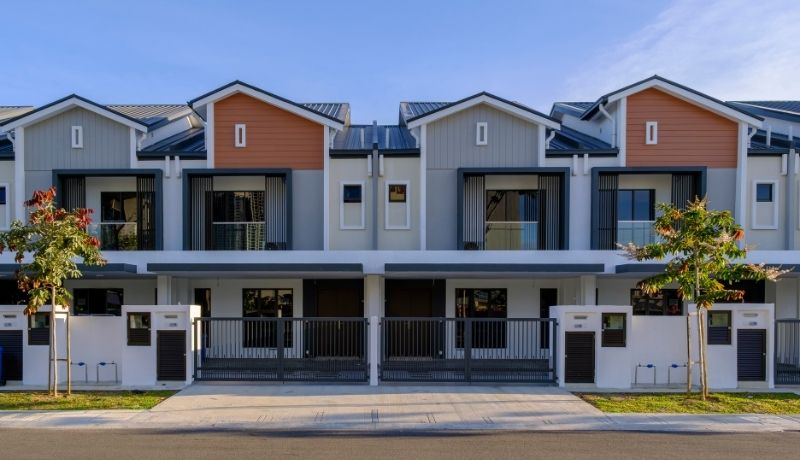
Shared driveway disputes are among the most common neighbour conflicts in England and Wales and among the most legally nuanced. The outcome depends almost entirely on how your right of access was created, whether it is formally recorded, and what the documents actually say.
See what our customers have to say about us
Key Takeaways
- Your right to use a shared driveway depends on how that right was created, by express grant in a deed, by implication under section 62 of the Law of Property Act 1925, or by long use under the Prescription Act 1832. Each route has different evidential requirements and different limitations.
- Where no formal easement is recorded, but the driveway has been used openly and continuously for 20 years without permission, a legal right may have arisen under the Prescription Act 1832, even if it does not appear on the title register.
- Blocking a right-of-way is actionable as a private nuisance or trespass. The primary legal remedy is an injunction requiring the obstruction to be removed, which is available in the County Court or the High Court. Damages may also be claimed for loss caused by the obstruction.
- Where deeds are silent on maintenance responsibilities, the cost of maintaining a shared driveway is typically borne by those who use it, in proportion to their use, but this principle is not legally enforceable without a formal agreement or court order.
- Mediation through a civil mediation service resolves the majority of neighbour disputes that reach that stage and costs a fraction of what County Court proceedings, which regularly exceed £10,000 in contested cases, would.
- A written driveway agreement, properly drafted and registered as a deed, is the single most effective way to prevent future disputes between neighbouring owners, and can be created at any point, not only at the time of purchase.
The legal structure of a shared driveway
Before addressing how to resolve a dispute, it’s important to understand what legal structure underlies the shared use. The three common arrangements produce entirely different legal positions and different dispute resolution options:
| Structure | What it means | Key risk |
| Joint ownership | Both properties own the driveway together, typically as tenants in common. Each owner has the right to use it, but neither can prevent the other’s use or deal with their share without the other’s consent. | Disputes about maintenance costs, alterations, or the future sale of the driveway land itself. |
| Easement (right of way) | One party owns the driveway land. The other has a formally granted or legally established right to pass over it. The landowner retains ownership but cannot obstruct the right-of-way. | Disputes about the scope and extent of the right, what it covers, when it can be exercised, and what the dominant owner can and cannot do. |
| Informal shared use | No formal legal agreement exists. Use has developed by practice or convenience rather than legal right. This is the most legally precarious position for the user. | The landowner can withdraw permission at any time, unless a prescriptive easement has arisen by long use under the Prescription Act 1832. |
How a right-of-way over a driveway can arise
If you are in a dispute about whether you have a right to use a shared driveway, the first question is how that right was, or might have been, created. There are three legal routes, each producing a different type of right with distinct characteristics.
Express grant: the clearest route
An express easement is one written into a deed, either the original conveyance when the properties were first separate, or a subsequent deed of grant. It should appear in your title deeds and, for registered land, should be noted on the title register at HM Land Registry. If your deeds contain an express grant of a right of way over the neighbouring driveway, that right is legally enforceable against the current owner of the driveway land, regardless of whether they knew about it when they bought.
The scope of an express easement is determined by the wording of the grant. A right “to pass and repass on foot and with vehicles” is different from a right “to use the driveway for access to the property.” Disputes frequently arise about whether a particular use, such as parking, reversing, or deliveries, falls within the scope of the granted right. This is a question of interpretation that depends on the specific wording and, where the wording is ambiguous, on the circumstances at the time the grant was made.
Section 62 of the Law of Property Act 1925: implied easements on sale.
Section 62 of the Law of Property Act 1925 automatically converts certain advantages enjoyed over neighbouring land into legal easements when the benefited property is sold. Where a property owner had an informal arrangement allowing use of a neighbouring driveway, a licence or permission, and then sells the property, section 62 can crystallise that informal arrangement into a legal easement in favour of the buyer, without any express grant being needed.
This is frequently encountered where an owner splits a property or estate and has been using a shared access informally. On the first sale of one of the resulting properties, section 62 may operate to grant a legal easement to the buyer that the seller did not intend to create. It is one of the most commonly litigated provisions of property law precisely because its operation is automatic and often unexpected.
Prescription: rights acquired by long use
Under the Prescription Act 1832, a right of way over land can be acquired by long, open, and continuous use without permission for a period of 20 years. The use must be “as of right” without force, without secrecy, and without the landowner’s permission. Use with permission is a licence, not a prescriptive claim, and it does not count toward the 20 years.
Where a driveway has been used openly and continuously by a neighbouring property for more than 20 years, and the use was never formally consented to, a prescriptive easement may have arisen even if it does not appear on the title register. For registered land, an unregistered prescriptive easement can bind a buyer as an overriding interest under Schedule 3 of the Land Registration Act 2002, provided the right was exercised within the year before the sale.
At Muve, informal driveway use is one of the most common access issues we identify at the title review stage. A property that has relied on a shared driveway for decades without a recorded formal easement is in an uncertain legal position, and that uncertainty becomes a transaction problem when a lender refuses to lend against it. Identifying this at the title review stage allows us to investigate whether a prescriptive easement has arisen, whether a deed of easement can be agreed with the neighbouring owner, or whether indemnity insurance is obtainable. The same issue discovered at the exchange is much harder to manage.
Can a neighbour legally block a shared driveway?
Where a right of way exists, whether by express grant, section 62 implication, or prescriptive acquisition, the owner of the driveway land cannot obstruct that right. Blocking, even temporarily and repeatedly, constitutes interference with the easement and is actionable as a private nuisance under English common law. The affected party can bring a claim in the County Court or High Court for an injunction requiring the obstruction to be removed, and may claim damages for any loss caused by the interference.
The legal threshold for actionable obstruction is not trivial. It is substantial interference with the right, not any inconvenience. A vehicle parked ‘for loading is unlikely to meet the threshold; a gate locked without a key being provided, or a permanent structure placed across the access route, clearly would. The courts assess whether the obstruction prevents or substantially impedes the reasonable use of the right.
Where no formal right exists, and the use has been informal, the landowner can withdraw permission and block access without legal liability, unless a prescriptive easement has arisen. This is the core reason why establishing the legal basis of the right is the essential first step in any dispute.
Do not remove an obstruction yourself by force or without legal advice if the ownership of the driveway is disputed. Self-help remedies, removing a gate, or moving a vehicle, can expose you to counterclaims in trespass and damage any injunction application you subsequently make. Documenting the obstruction with photographs and taking legal advice before acting is the safer course.
Maintenance responsibility: What happens when the deeds are silent
Many shared driveway disputes concern not access but maintenance, who pays to resurface it, who is responsible when the drainage fails, and who can compel the other to contribute. Where the deeds specify maintenance obligations, those obligations are enforceable between the parties and their successors in title. Where they do not, which is common, the position is more complicated.
There is no general rule of law that automatically divides maintenance costs between those who use a shared driveway. The courts have recognised a principle that those who benefit from an easement should contribute to the maintenance of the surface over which it runs, but this principle is not automatically enforceable without either a deed or a court order. A neighbouring owner who refuses to contribute to resurfacing costs cannot easily be compelled to do so through the courts without a formal agreement.
The most common solution when deeds are silent is to negotiate a written maintenance agreement between the property owners, covering cost-sharing, the process for agreeing on works, and what happens when one party fails to contribute. This agreement should be executed as a deed and registered against both titles at HM Land Registry so that it binds future owners, not just the current ones.
How to resolve a shared driveway dispute: step by step
- Establish your legal position first
Before contacting your neighbour, retrieve your title deeds, Land Registry title register, and plan. Identify whether a right of way is expressly granted, implied, or absent. If unclear, a property solicitor can advise on whether a prescriptive claim is arguable based on the history of use. This step determines everything else: your negotiating position, your legal remedies, and whether solicitor involvement is necessary.
- Document everything before raising the issue.
Before any conversation with your neighbour, photograph the driveway, any obstruction, the boundary features, and the access route. Note dates and times of incidents. This documentation is essential evidence if the dispute escalates to mediation or court, and having it in place before you raise the matter means it cannot be suggested that the record was created after the dispute arose.
- Communicate in writing, calmly and specifically.
Most disputes arise from misunderstanding rather than bad faith, and a written letter setting out your understanding of the position, without accusations, resolves a significant proportion of cases at this stage. Keep a copy. If the neighbour responds in writing, that correspondence is also evidence of their position and knowledge of the dispute.
- Consider a formal driveway agreement.
Where no formal agreement exists, proposing a written agreement covering access rights, parking arrangements, and maintenance responsibility is often the most constructive next step. A properly drafted deed of easement or driveway agreement, executed by both parties and registered at HM Land Registry, resolves the underlying uncertainty and binds future owners, not just the current ones.
- Use mediation before litigation.
Civil mediation is available through the Civil Mediation Council and resolves the majority of neighbour disputes that reach that stage. Costs typically range from £100 to £500 per party for a mediation session. This compares favourably with County Court proceedings, where contested neighbour disputes regularly cost each party £5,000 to £15,000 or more, with no guarantee of full cost recovery even if you succeed.
- Seek legal advice and consider formal proceedings.
If the dispute cannot be resolved informally, a solicitor specialising in property disputes can advise on the strength of your position, draft a formal letter before action, and, if necessary, issue proceedings. The primary remedies available are an injunction (to prevent or remove an obstruction), a declaration of rights (to formally establish the existence and scope of the easement), and damages. Court proceedings are a last resort, both in terms of time and cost, but they are available when informal resolution has genuinely failed.
Costs at each stage of a shared driveway dispute
Indicative cost ranges:
| Solicitor’s letter before action | £200 to £500 |
| Title investigation and legal advice | £500 to £1,500 |
| Civil mediation (per party) | £100 to £500 per session |
| Deed of easement or driveway agreement | £500 to £1,500 depending on complexity |
| County Court proceedings (contested) | £5,000 to £15,000+ per party |
| Title indemnity insurance (access issue) | £200 to £800 one-off premium |
Preventing disputes before they arise
The most effective way to avoid a shared driveway dispute is to formalise the arrangement before a problem develops. If you are buying a property that relies on shared access, your conveyancer should confirm at the title review stage that the right of access is formally documented and that its scope is adequate for your intended use. Where it is not, a deed of easement should be obtained from the neighbouring owner before exchange, not after completion, when the other party’s incentive to cooperate has diminished.
For existing owners whose access arrangements have developed informally over time, a driveway agreement executed as a deed and registered against both titles provides certainty and avoids the cost and uncertainty of future prescriptive easement arguments. It also protects both parties against issues arising in a future sale, when a buyer’s conveyancer or lender raises the absence of formal documentation.
FAQ: Shared Driveway Disputes
Start with your title deeds and HM Land Registry title register. Look for any express grant of a right of way over the neighbouring land, any reference to an easement, and any note of a right in the title register itself. If nothing is formally documented but the driveway has been used openly, continuously, and without permission for 20 or more years, a prescriptive easement under the Prescription Act of 1832 may have arisen, though establishing this requires legal advice and evidence of the history of use.
If a right of way exists, by express grant, implication under section 62 of the Law of Property Act 1925, or prescription under the Prescription Act 1832, your neighbour cannot lawfully block your access. Doing so constitutes interference with your easement and is actionable as a private nuisance. The remedy is an injunction in the County Court or High Court requiring the obstruction to be removed. If no formal right exists and use has been purely by permission, the landowner can withdraw that permission and block access, unless a prescriptive easement has arisen through 20 or more years of use without permission.
Where the deeds specify maintenance obligations, those obligations are enforceable. Where the deeds are silent, which is common, there is no automatic legal rule that divides maintenance costs between users. The courts recognise a principle that those benefiting from an easement should contribute to the maintenance of the surface, but this is not automatically enforceable without a formal agreement or court order. The practical solution is a written maintenance agreement executed as a deed by both parties and registered at HM Land Registry. Without this, compelling a neighbour to contribute to repair costs is difficult and potentially requires court proceedings.
A prescriptive easement is a right of way acquired by long, open, and continuous use without the landowner’s permission, for a period of at least 20 years under the Prescription Act 1832. The use must be as of right, without force, without secrecy, and without permission. If permission was granted, even informally, the use is a licence rather than a prescriptive claim and does not count toward the 20 years. Establishing a prescriptive easement requires evidence of the history of use, witness statements, photographs, historic correspondence, and often requires a solicitor to formalise the claim, either through agreement with the neighbouring owner or through a court declaration.
Almost always yes. Civil mediation through an accredited mediator typically costs £100 to £500 per party per session and resolves the majority of neighbour disputes that reach that stage. County Court proceedings for a contested neighbour dispute regularly cost each party £5,000 to £15,000 or more, take months to reach a hearing, and offer no guarantee of full cost recovery even if you win.
It can. An active dispute or the absence of formally documented access rights will be identified during the buyer’s conveyancing process and raised with their lender. Mortgage lenders require adequate access to the property to be formally documented before they will lend, and an unresolved access dispute or informal access arrangement without formal documentation can cause a lender to decline or impose conditions. Sellers are also required to disclose known disputes on the TA6 property information form. Failing to do so can give a buyer grounds for a claim of misrepresentation after completion.

You might also like

Boundary disputes in the UK arise when property lines are unclear or contested and ...

Missives are formal letters that play a central role in the Scottish conveyancing. It ...