What Is A Flying Freehold?
7 April 2026 • 7 min read
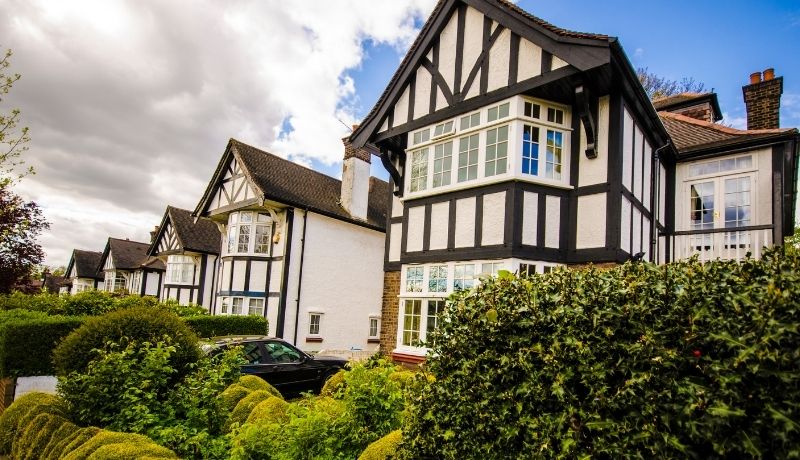
A flying freehold is where part of a freehold property extends over, under, or across land owned by someone else, without being held under a lease. This commonly happens where a room sits above a neighbour’s passageway, garage, or ground floor.
The legal risk arises when the title does not clearly grant rights of support, protection, and access for repairs. If those rights are missing or poorly drafted, the owner of the “flying” part may struggle to enforce repairs or gain entry to maintain their property. In more serious cases, this can delay urgent works or require legal action to resolve access disputes.
See what our customers have to say about us
Key Takeaways:
- A flying freehold occurs when part of a property, such as a room or extension, extends over another person’s property.
- Flying freeholds are common in older homes, historic buildings, and certain terraces in the UK.
- Ownership can carry additional risks, such as shared maintenance responsibilities and potential structural issues.
- Lenders may be cautious with mortgages on flying freeholds, so professional advice is essential before buying.
- Understanding what a flying freehold is helps you make informed decisions and avoid unexpected legal or financial complications.
What a Flying Freehold Means and How It Works
A flying freehold happens when part of your property extends over or is supported by another property, rather than sitting entirely on its own land. Common examples include rooms above garages, staircases spanning over a neighbour’s land, or extensions in terraced houses.
Legally, ownership of the flying section is absolute, but structural reliance creates complexity. The key issue is whether the title contains express easements granting rights of support and access for inspection and repair.
These rights are typically created under principles governed by the Law of Property Act 1925. In many older properties, particularly Victorian and Edwardian terraces, those rights are either missing or inadequately drafted. In practice, this is one of the most common title defects conveyancers encounter with flying freeholds.
If repairs are required and no enforceable access right exists, the owner may need to negotiate with the neighbour. Where agreement cannot be reached, resolving the issue may involve legal proceedings, which can be time-consuming and costly.
Important Considerations Before Buying a Flying Freehold
Buying a flying freehold requires closer legal scrutiny than a standard freehold.
Because the flying section relies on another structure for support, a detailed RICS survey is essential. Surveyors commonly flag timber decay, water ingress, structural movement, and load-bearing issues at the junction between properties, particularly where alterations have been carried out historically without modern standards.
It is also important to verify whether formal rights exist. Contrary to common belief, there is not always a formal agreement in place. In many older titles, the absence of adequate rights is the core issue. Your solicitor must review the registered title and historic deeds to confirm whether enforceable easements exist.
Buyers should also consider whether there have been previous disputes between neighbouring owners. Disagreements over access or repair responsibility can indicate a higher risk of future issues.
Finally, lender and insurer requirements must be confirmed early. Many lenders will lend on flying freeholds, but typically expect either clear legal rights or indemnity insurance. Some also apply internal limits, often around 15–25% of the total property, depending on how much of the structure is affected.

When Flying Freeholds Can Affect Property Ownership
Flying freeholds can complicate ownership where legal rights are unclear. If you cannot enforce access or structural support, your ability to maintain your own property may depend on the cooperation of the neighbouring owner.
This becomes particularly relevant where urgent repairs are required. If access is refused, work may be delayed, potentially leading to further damage or increased costs. Disputes over responsibility for repairs can also arise, particularly where structural elements are shared.
Without clear easements, resolving these situations may require negotiation or, in more serious cases, legal intervention.
Legal and Structural Implications of Flying Freeholds
From a legal perspective, defective title provisions are the primary risk. A well-drafted flying freehold title should include enforceable rights of support and access, along with clearly defined maintenance responsibilities.
Where those rights are absent or unclear, indemnity insurance is commonly used as a practical solution. This type of policy does not fix the underlying legal defect, but it protects against financial loss if problems arise. Policies are typically a one-off cost, often a few hundred pounds, and are frequently required by lenders before approving a mortgage.
Structurally, surveyors often identify risks at the interface between properties, particularly where historic alterations were never formally documented or where ongoing maintenance responsibilities are unclear.
How Flying Freeholds Impact Mortgage and Insurance
Most mainstream lenders will lend on flying freeholds, provided specific conditions are satisfied.
Solicitors must confirm either that adequate legal rights exist or that indemnity insurance is in place. Some lenders also impose limits on how much of the property can comprise a flying element. If those thresholds are exceeded and rights are defective, a mortgage offer may be delayed or withdrawn.
Insurance providers may also require confirmation of maintenance responsibilities, and premiums can reflect the perceived structural reliance between properties.
How to Identify a Flying Freehold Property
Before purchasing, it’s crucial to confirm whether a property has a flying freehold. Identifying one early helps you understand your legal responsibilities, potential risks, and any impact on your mortgage or insurance.
The title deeds are the starting point. These may refer to overhanging structures or include provisions relating to rights of support and access. In some cases, the term “flying freehold” may be used directly, but often it is identified through the wording of the rights granted.
The physical layout of the property can also provide clues. Rooms, extensions, or structures that extend over neighbouring land are common indicators, particularly in older terraces or converted buildings.
Age and style are also relevant. Properties built before modern title standardisation, such as Victorian or Edwardian terraces, are more likely to include flying freehold elements.
Professional verification is essential. A solicitor and surveyor will confirm both the legal and structural position, ensuring any risks are identified before you proceed.

Responsibilities and Rights of Flying Freehold Owners
Owning a flying freehold means you are responsible for maintaining the overhanging section, but structural reliance may involve shared elements.
Access for repairs is usually the most sensitive issue. If express rights exist in the title, they may be enforceable. If not, access must be negotiated with the neighbouring owner. In practice, this can lead to delays, particularly if cooperation is limited.
This is why indemnity insurance is often arranged, not to resolve the issue directly, but to protect against financial risk and satisfy lender requirements.
Common Risks and Issues With Flying Freeholds
The most common issues solicitors encounter include missing or inadequately drafted rights of support, unclear or absent access provisions, and lender hesitation where title provisions do not meet handbook requirements.
Neighbour disputes over repair responsibility are also relatively common, particularly where obligations are not clearly defined. These issues are manageable when identified early but can cause delays, renegotiation, or additional costs if discovered later in the transaction.
How Solicitors Can Help With Flying Freeholds
Solicitors are essential for navigating the legal complexities of flying freeholds. Their role is to review the title, identify any missing rights, and assess whether the property meets lender requirements.
They will also advise on legal obligations for repairs, maintenance, and access, and explain how the flying freehold may affect your mortgage, insurance, or future sale. Where necessary, they can arrange indemnity insurance or raise additional enquiries to clarify the position before exchange.
This ensures you understand the risks and can proceed with confidence.
Choosing the Right Advice for Flying Freehold Properties
Flying freeholds are not uncommon in England and Wales, particularly in older terraces and historic developments. They are not inherently defective, but they do require careful legal and structural assessment.
With a detailed survey, thorough title review, and indemnity insurance where appropriate, most transactions proceed without difficulty. The key is identifying any missing rights or lender requirements early, so they can be resolved before the exchange rather than becoming a last-minute issue.
Get a conveyancing quote here.

FAQs: Flying Freeholds in the UK
The main risks include missing rights of support or access, lender hesitation, indemnity insurance requirements, and neighbour disputes. In more serious cases, unresolved access issues can delay repairs or lead to legal costs.
Yes, most lenders will consider applications, but they follow the UK Finance Mortgage Lenders’ Handbook. Your solicitor must confirm adequate rights exist or arrange indemnity insurance.
Not always. If the title contains clear, enforceable rights, insurance may not be required. However, where rights are missing or unclear, lenders commonly insist on cover as a condition of the mortgage.
Key warning signs include unclear title provisions, absence of access rights, significant structural reliance, previous neighbour disputes, and survey findings such as movement or water ingress.

You might also like

Conveyancing usually takes 8-12 weeks to complete; however, this can vary depending on your ...

Conveyancing disbursements are payments or taxes that need to be made to a third ...