Right to Buy Conveyancing: Step-by-Step Guide for Council Tenants
26 June 2026 • 9 min read
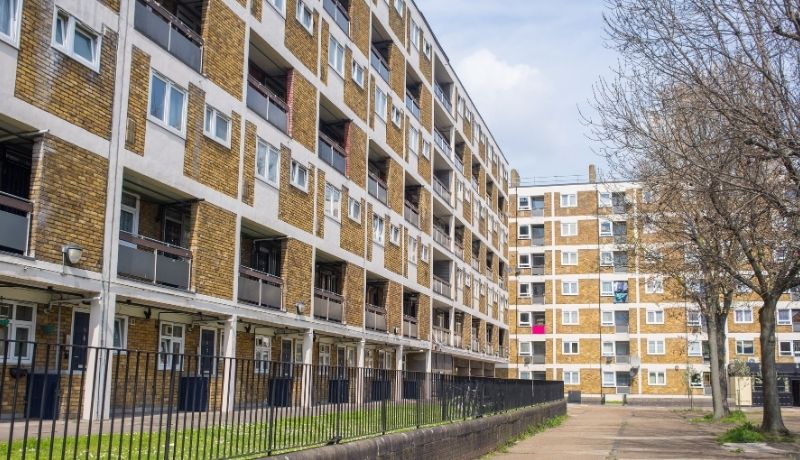
Buying your council home through the Right to Buy scheme can be one of the most significant financial decisions you make. The discount is the headline, but the legal process, the leasehold risks, and the long-term financial implications deserve just as much attention.
See what our customers have to say about us
Key Takeaways
- The Right to Buy scheme is governed by the Housing Act 1985, which sets out eligibility, discount calculation, and resale obligations.
- Maximum discounts are capped at £102,400 in London and £87,200 elsewhere in England as of 2024, regardless of how long you have been a tenant.
- The Section 125 Notice is the council’s formal offer document and the foundation of the legal transaction. Review it carefully before instructing a conveyancer.
- Council flats are sold leasehold, not freehold. Future major works contributions under the Section 20 consultation process can run to tens of thousands of pounds.
- If your home was transferred from a council to a housing association, the Preserved Right to Buy may apply. The rules differ from the standard scheme.
- Selling within five years of purchase triggers partial or full discount repayment. Selling within one year means repaying the full discount on the current market value.
What is Right to Buy conveyancing?
Right to Buy conveyancing is the legal process of transferring ownership of a council property from a local authority to the tenant purchasing it under the Right to Buy scheme. It shares the mechanics of standard conveyancing but involves a different set of documents, a different type of seller, and risks that do not arise in a typical private sale.
The scheme itself is governed by the Housing Act 1985, which gives secure council tenants the statutory right to purchase their home at a discount. The size of the discount depends on how long you have been a public-sector tenant and whether the property is a house or a flat, subject to regional caps. Understanding the legal framework behind the discount is as important as understanding the discount itself.
- £102,400 maximum discount in London (2024)
- £87,200 maximum discount elsewhere in England (2024)
- 3 years minimum public sector tenancy to qualify
- 8 to 12 weeks typical transaction timeline
Who qualifies?
To qualify for the standard Right to Buy scheme under the Housing Act 1985, you must be a secure council tenant, the property must be your only or principal home, it must be self-contained, and you must have spent at least three years as a public sector tenant. The three years do not need to be continuous or with the same landlord.
If your home was transferred from a council to a housing association, you may qualify for the Preserved Right to Buy instead. This applies where the transfer took place after you became a tenant, and your rights are broadly similar to those under the standard scheme but are administered differently. Confirming which scheme applies before starting the process is important because the documentation and procedures differ.
Some properties are exempt from Right to Buy regardless of eligibility, including homes that are particularly suitable for elderly or disabled people, or properties subject to demolition orders. Your landlord will confirm whether your home qualifies when you submit your application.
The Right to Buy conveyancing process step by step
1. Submit your application
The process begins with submitting a Right to Buy application form (RTB1) to your landlord. The council or housing association must respond within four weeks to confirm eligibility, or within eight weeks if you have not been their tenant for the whole qualifying period. If they do not respond in time, you can serve a notice of delay, which can ultimately reduce the purchase price.
2. Receive and review the Section 125 Notice
If your application is approved, the landlord issues a Section 125 Notice, the formal offer document. This sets out the purchase price, the discount applied, a description of the property, and for leasehold flats, an estimate of service charges for the first five years. Read it carefully. You have 12 weeks to accept or reject the offer, and 12 months from acceptance to complete the purchase before the offer lapses.
3. Instruct a conveyancer
Once you have the Section 125 Notice, instruct a conveyancer experienced in Right to Buy transactions. They will review the offer notice, investigate the legal title, carry out property searches, liaise with your mortgage lender, and manage the legal transfer through to completion and registration at HM Land Registry. Instructing early reduces delays, particularly where leasehold or mortgage issues arise.
4. Arrange your mortgage
Most Right to Buy buyers need a mortgage. Lenders treat the Right to Buy discount as gifted equity rather than cash, which means it counts toward your deposit without you needing to produce the equivalent amount in savings. However, lenders still carry out full affordability assessments, credit checks, and property valuations. Gather your payslips, bank statements, and identification documents before approaching a lender to avoid delays at this stage.
5. Legal checks and searches
Your conveyancer will carry out local authority, drainage, and environmental searches, and review the property title to confirm there are no legal issues affecting ownership. For leasehold flats, they will also review the lease terms, service charge history, any planned major works notices, and the lease length, all of which have direct financial implications.
6. Exchange and completion
Once all checks are complete and your mortgage offer is confirmed, contracts are exchanged, and a completion date is set. On completion day, mortgage funds are transferred to the council, and legal ownership passes to you. Because you already occupy the property, there are no keys to collect. Your conveyancer then registers your ownership with HM Land Registry, which typically takes several weeks depending on current processing times.
The leasehold risk most buyers underestimate
Council flats are almost always sold leasehold rather than freehold. This means you purchase the right to occupy the property for the term of the lease, but the council or housing association retains ownership of the building. As a leaseholder, you are responsible for contributing to the cost of maintaining and repairing the shared structure.
This is where Right to Buy buyers are most commonly caught out. Under the Section 20 consultation process, landlords must notify leaseholders before carrying out major works costing more than £250 per leaseholder. But the protection has limits: after the first five years of ownership, there is no cap on what you can be charged for major works such as roof replacement, window renewal, or cladding remediation. Bills of £10,000 to £30,000 or more per flat are not uncommon in older blocks.
At Muve, leasehold major works is the issue we most consistently see Right to Buy buyers underestimate. The Section 125 Notice provides a five-year service charge estimate, but it does not show what is planned beyond that window. Before exchange, we always recommend asking the council for a schedule of any known or anticipated major works, even if they fall outside the five-year estimate. A large bill five years after purchase is just as real as one the day you complete.
Discount repayment if you sell
Buying through Right to Buy does not give you an unrestricted right to sell immediately at a profit. If you sell within five years of completing your purchase, you must repay some or all of the discount you received. The repayment is calculated as a percentage of the property’s market value at the time of sale, not the original purchase price.
| Time after purchase | Discount repayment |
| Within year 1 | 100% of discount (based on sale price) |
| Within year 2 | 80% |
| Within year 3 | 60% |
| Within year 4 | 40% |
| Within year 5 | 20% |
| After year 5 | No repayment required |
There is also a first refusal obligation: if you want to sell within ten years of purchase, you must first offer the property back to the council or another social landlord at the full market price. Only if they decline can you sell on the open market.
Is Right to Buy the right financial decision?
The discount makes Right to Buy an attractive proposition on paper, but the long-term financial picture depends on factors the scheme does not advertise. Before committing, it is worth working through the following honestly.
| Question | Why it matters |
| What are the current and anticipated service charges? | For leasehold flats, ongoing service charges and future major works can significantly erode the financial benefit of the discount. |
| What is the lease length? | A lease below 80 years increases extension costs significantly and can make the property harder to sell or remortgage in the future. |
| What is the total mortgage cost over the term? | A £50,000 discount on a property worth £200,000 sounds significant. For a 25-year mortgage, the interest cost may exceed the discount value, depending on the interest rate. |
| Are you planning to stay? | The five-year resale restriction and first-refusal obligation mean the Right to Buy works best for buyers who intend to remain in the property long term. |
| Is the building in good structural condition? | Older council blocks with deferred maintenance can generate large leaseholder bills. A structural survey before exchange is worth the cost. |
Costs to budget for
| Typical cost ranges | |
| Conveyancing fees | £700 to £1,500+ |
| Property searches | £250 to £400 |
| Land Registry fees | £20 to £330 |
| Mortgage arrangement fee | Varies by lender |
| Structural survey (recommended for older blocks) | £400 to £1,500 |
Stamp Duty Land Tax may apply depending on the final purchase price and current thresholds. Your conveyancer will confirm whether SDLT is payable once the purchase price is known.
How Muve can help
Right to Buy transactions involve a different set of documents, risks, and timelines from a standard purchase. The council legal department operates on its own schedule, the Section 125 Notice requires careful review, and leasehold issues need to be identified before exchange rather than after. At Muve, we handle Right to Buy purchases regularly and know the pressure points.
We review the Section 125 Notice at instruction, flag leasehold risks early, and coordinate with the council, your lender, and HM Land Registry throughout the process. If there are major work concerns or lease length issues, we raise them before they become problems at exchange. If you are considering a Right to Buy purchase and want to understand what you are taking on, speak to us before you submit your application.
Get a free conveyancing quote within a minute.
FAQ: Right to Buy Conveyancing: Step-by-Step Guide for Council Tenants
Most Right to Buy transactions complete within 8 to 12 weeks from instruction, but timelines vary depending on the speed of mortgage approval, how quickly the council’s legal department responds, and whether the property is leasehold. Leasehold purchases involving service charge enquiries or major works questions can significantly extend the timeline. Instructing a conveyancer as soon as you receive your Section 125 Notice and having your financial documents ready in advance reduces the risk of delay.
Yes, in most cases. Mortgage lenders treat the Right to Buy discount as gifted equity, which means it counts toward your deposit requirement without you needing equivalent cash savings. This makes Right to Buy accessible to tenants who would not otherwise be able to fund a deposit. However, lenders still assess affordability, run credit checks, and carry out a property valuation before issuing a mortgage offer. The discount helps with the deposit, but does not replace the need to meet standard lending criteria.
The Preserved Right to Buy applies to tenants whose homes were transferred from a council to a housing association after they became tenants. It preserves the Right to Buy entitlement that would otherwise be lost when a property leaves council ownership. The discount calculation and eligibility rules are broadly similar to the standard scheme, but the process is administered by the housing association rather than the council. If you are unsure which scheme applies to your property, your landlord should be able to confirm this when you enquire.
Under the Housing Act 1985, the council must respond to your Right to Buy application within four weeks confirming eligibility, or eight weeks if you have not been their tenant throughout the qualifying period. If they miss these deadlines, you can serve an Initial Notice of Delay. If delays continue, you can serve a further operative notice, which can ultimately result in a reduction in the purchase price equivalent to the period of delay. Your conveyancer can advise on this process if the council is unresponsive.
Living in the property does not mean you know its structural condition. A formal structural survey is particularly advisable for older council blocks, where deferred maintenance may not be immediately visible to occupants but is likely to result in major works contributions in the years following purchase. The cost of a survey, typically £400 to £1,500, is modest relative to the potential cost of an unexpected major works bill. For houses, a HomeBuyer Report provides a useful assessment of condition without the full cost of a structural survey.

You might also like

London conveyancing follows the same process as other areas in England and Wales, but ...

Fast conveyancing is the process of proactively reducing delays in the legal transfer of ...