Leasehold vs Freehold. What’s the difference?
29 February 2024 • 6 min read
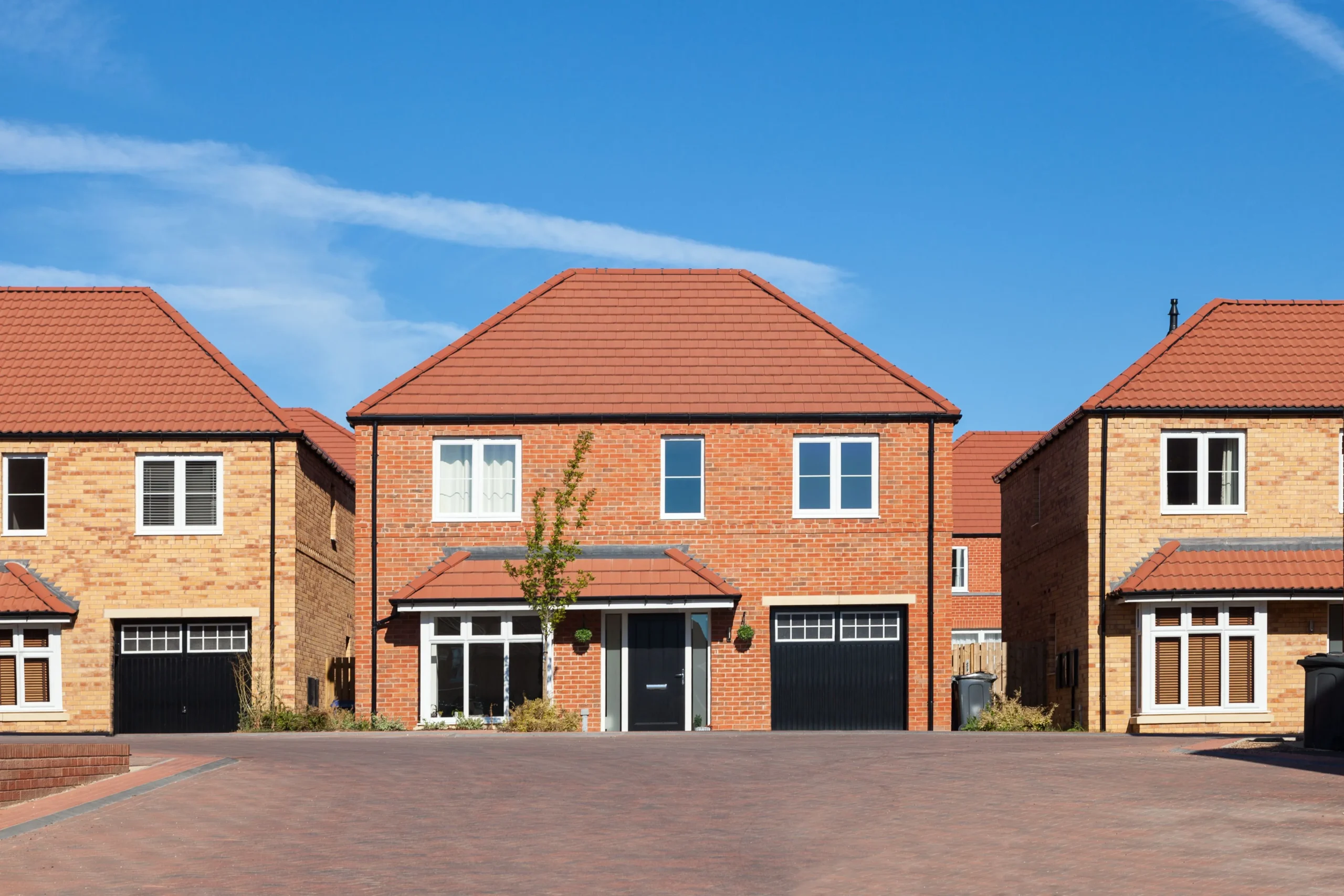
Choosing between leasehold vs freehold comes down to ownership, control, and cost. Freehold means you own both property and land outright. Leasehold means you only own a property for a fixed period (not including the land it stands on) and may face ongoing costs and restrictions.
See what our customers have to say about us
Which property is right for you?
If you’re deciding between leasehold vs freehold, the right choice depends on your budget, property type, and long-term plans.
Here’s a simple way to decide based on your property type preference:
- If you prefer a flat, a leasehold is the standard.
- If you prefer a house, a freehold is typical and gives you full control over the property and land.
In case you decide on a leasehold property, it’s important to consider two things:
- How long is the remaining lease term? If the lease term is under 80 years, proceed with caution or negotiate the price, since you may have to pay for the lease extension in the future.
- How much are the service charges? Review the costs before committing.
Muve conveyancers often advise first-time buyers to understand the costs, control, and long-term value of the property to make a more informed decision about whether to buy a leasehold or freehold property.
What is the cost
Freehold properties cost more upfront because they give you ownership and more control over the property and the land it stands on. Leasehold properties are initially cheaper because owners face ongoing costs such as service charges, ground rent, and administration fees.
Here’s something to consider:
- If your budget is tight, you can choose a leasehold property because it has a lower upfront cost, but it comes with ongoing costs such as service charges.
- If you can afford the higher cost of houses, you can choose a freehold property where you have more control and greater responsibility over the land and property.
Buying leasehold properties requires you to consider specific costs:
- Service charges in England and Wales average £2,405 a year (with final prices depending on the property)
- Ground rent (New leases after June 2022 are set at £0, while existing leases can go as high as £700+ annually, with government plans to cap at £250 annually)
- Major work contributions (e.g., roof replacement, lift repairs, etc)
The Leasehold and Freehold Reform Act 2024 is set to improve transparency and reduce unfair costs while granting leaseholders more rights to challenge management and costs. However, many provisions are yet to be implemented.
What you can control
Freehold properties give you ownership over land and property, so you get complete control over what you can do with your home, subject to local regulations. Leasehold properties are bound by the restrictions set by the freeholder, including rules on pets, subletting, and structural changes.
Freeholders may renovate, extend, or modify their property as long as it follows building regulations and planning permission.
If you’re buying a leasehold property, always review the lease for restrictions. We’ve seen some leases being more lenient than others. This can affect not just your lifestyle but also the property’s resale value.
When can you sell
You can sell both leasehold and freehold properties, but the former will be affected by the lease term and lease length.
Freehold properties can be sold at any time, while leasehold sales are more complex since you still have to consider lease length, compliance with owner obligations, and buyer/lender requirements.
Here’s a key rule our conveyancers always tell buyers, if a lease is less than 80 years, “marriage value” may apply, making lease extensions more expensive. In fact, lenders usually require lease terms to have at least 70-80 years remaining.
Before selling a leasehold property, ensure:
- Compliance with current lease terms
- You have the required management company information
- The buyer’s lender has access to assess the lease length
The 2024 reforms propose removing “marriage value” and extending lease terms to 990 years, but these are yet to be fully enforced.
Who is responsible for what
Freeholders have full ownership of both the property and the land, so they are responsible for all maintenance costs (including structural issues such as roofing). Leaseholders, on the other hand, share costs through service charges paid to a management company or freeholder. They also share responsibilities, which vary depending on the lease agreement.
Among the expenses leaseholders contribute to are building maintenance, insurance, communal repairs, etc.
Buyer tip: Ask for the service charge accounts over the last three years and any planned major works. Unexpected costs are one of the biggest risks in leasehold ownership.
Do leasehold properties come with perks?
Leasehold properties often include shared amenities, such as concierge services, gyms, and other communal spaces, but these ongoing costs through service charges.
These perks can enhance the lifestyle of leaseholders, especially in urban areas. But buyers should always weigh the value against the cost before making a decision.
What about new builds?
New-build properties can be freehold or leasehold. Buyers should check the ownership structure, restrictions, estate charges, and other legal matters before committing to new builds.
We’ve seen cases where buyers assumed a property was freehold but later discovered it was leasehold.
This is why our conveyancers are careful to check:
- Title ownership
- Lease terms
- Restrictions
- Charges
Buying freehold new-builds can include estate charges for shared spaces like community parks, private roads, play areas, and street lighting. These are like service charges for leaseholds.
Common Mistakes When Choosing Between Leasehold vs Freehold
Many buyers make costly mistakes when choosing between leasehold and freehold. Here are the key mistakes to avoid:
- Buying a leasehold with less than 80 years remaining, without negotiating the price.
- Ignoring service charge history or planned major works.
- Assuming lack of ground rent means there are no ongoing costs.
- Failing to check restrictions on the lease (e.g., letting, renovations, pets).
- Not confirming if reforms already apply (or when they will be implemented).
These mistakes can lead to unnecessary costs or delays. It might even compromise your ability to resell later.
What Should You Choose: Leasehold vs Freehold
If you want full control, long-term stability, and no ongoing costs, choose freehold. But if you prefer buying a flat or lower upfront costs, choose leasehold (but make sure to check the lease terms carefully).
To summarise:
- If you want full control, choose a freehold
- If you prefer to buy a flat, choose a leasehold
- If you have a tight budget, consider a leasehold
- If you’re concerned about the resale, check the lease length and costs
If you’re still unsure what’s right for you or just want to learn more about the process, get in touch with us today. We’d love to help you make the right decision for your circumstances. With Muve, you’ll get a digital-first approach to conveyancing in England and Wales that will fast-track the process and help you reach completion faster. You’ll also get a clear breakdown of our fixed fees so you know what to expect and what you’re paying for. Get a free conveyancing quote within minutes.
FAQs: Leasehold vs Freehold
The main difference is ownership. Freehold means you own the property and land where it stands. Leasehold means you own the property for a fixed term, but not the land.
This difference is usually the reason why freehold properties are more expensive than leaseholds. However, it should be noted that the latter often entails ongoing costs and restrictions, which might make it more expensive in the long run.
No, the leasehold is not being abolished; it is undergoing major reforms. The Leasehold and Freehold Reform Act 2024 aims to narrow the gap between the two, specifically regarding fair ownership. This includes cheaper lease extensions, more rights and control for leaseholders, etc.
Yes, it’s usually harder to sell a leasehold property because it comes with more restrictions. Leaseholds with less than 80 years remaining in the lease terms may also be less attractive to both buyers and lenders. This can affect property value and delay the sale.
Not necessarily. Leasehold properties can be a good option, especially for first-time buyers with tighter budgets. If the leasehold is a flat or has lower upfront costs, you might find it more appealing.
Just make sure you and your conveyancer carefully review the lease terms, service charges, and future costs before committing to the purchase.

You might also like

Moving into a new home just in time for Christmas is an exciting experience, ...

Muve is a good choice for buyers who prefer fast conveyancing in England and ...