How Long Does Leasehold Conveyancing Take?
6 July 2026 • 9 min read
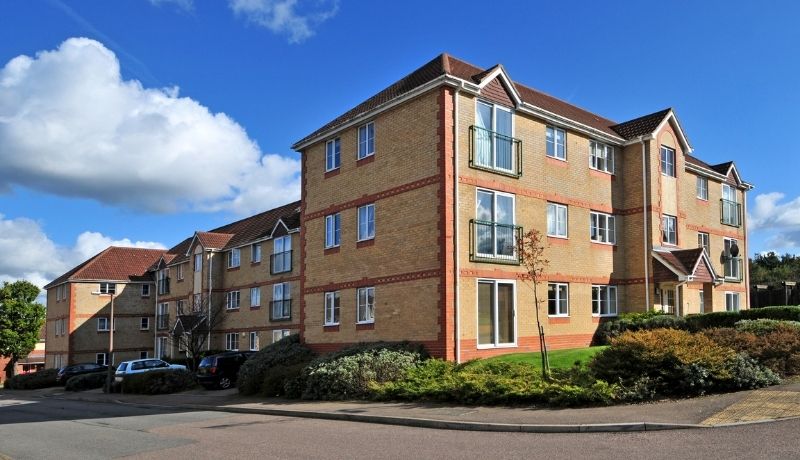
The honest answer is: longer than most buyers and sellers expect. 8 to 12 weeks is the textbook estimate for a straightforward leasehold transaction. In practice, 14 to 16 weeks is more realistic, and some transactions run significantly longer. Here is why, and what you can do about it.
See what our customers have to say about us
Key Takeaways
- Leasehold conveyancing typically takes 10 to 16 weeks, longer than freehold because more parties are involved and more information must be reviewed before exchange.
- The LPE1 (Leasehold Property Enquiries) form is the central document in any leasehold transaction. Delays in receiving it from the managing agent are the single most common cause of extended timelines.
- Managing agents of large national portfolios regularly take six to eight weeks to return a complete LPE1, double the estimate most buyers are given at the outset.
- Ground rent clauses that conflict with the Leasehold Reform (Ground Rent) Act 2022 can trigger additional lender checks and add weeks to mortgage approval timelines.
- A statutory lease extension under the Leasehold Reform Housing and Urban Development Act 1993 adds a minimum of eight to twelve weeks to any transaction, often significantly more.
- Requesting the LPE1 on the day of instruction, rather than on the day an offer is accepted, is the single most effective action a seller or conveyancer can take to reduce delay.
Why leasehold conveyancing takes longer than freehold
When you buy a freehold property, the transaction is primarily between buyer, seller, and their respective conveyancers, with a mortgage lender if finance is involved. When you buy a leasehold property, you add at least two more parties, the managing agent and the freeholder, both of whom must provide information before contracts can be exchanged. Neither is a party to the sale and neither has a financial incentive to respond quickly.
The lease itself also requires a level of legal scrutiny that a freehold title does not. Your conveyancer must review the full lease terms, check for escalating ground rent clauses, assess the service charge history, confirm that the lease length is acceptable to your lender, and raise detailed enquiries regarding building management. Each of these steps takes time, and each depends on information arriving from third parties.
- 8 to 12 wks – Textbook estimate for a straightforward leasehold transaction
- 10 to 16 wks – Realistic estimate for most leasehold transactions in practice
- 6 to 8 wks – Time large national managing agents typically take to return an LPE1
- 8 to 12 wks – Minimum added by a statutory lease extension under the 1993 Act
The typical leasehold conveyancing timeline
| Stage by stage breakdown | |
| Instruction to contract pack issued | 1 to 2 weeks |
| LPE1 requested and received from managing agent | 2 to 8 weeks (most variable stage) |
| Leasehold enquiries raised and responses received | 2 to 5 weeks |
| Property searches | 1 to 3 weeks (run concurrently) |
| Mortgage offer confirmed | 2 to 4 weeks (longer if lease issues arise) |
| Exchange to completion | 1 to 2 weeks |
| Total: straightforward transaction | 8 to 12 weeks |
| Total: typical transaction in practice | 10 to 16 weeks |
Many of these stages run concurrently rather than sequentially, but the LPE1 stage is the critical path. Nothing meaningful can happen on the buyer’s side until the management information arrives, because the lease enquiries, service charge review, and lender requirements all depend on it.
The LPE1 form: why it drives the timeline
The LPE1 (Leasehold Property Enquiries) is the standardised form completed by the managing agent or freeholder that discloses the information buyers and their lenders need: service charge history and current budget, ground rent amount and review mechanism, building insurance details, any planned major works and associated costs, ongoing disputes, and compliance with the lease terms.
It is not a simple form. A complete LPE1 on a well-managed building with straightforward finances might run to twenty or thirty pages. For a complex building with multiple service charge accounts, pending Section 20 major works notices, and a history of disputes, it can run considerably higher, and the managing agent must compile it all before they can respond.
In our experience at Muve, the managing agent is the single biggest variable in any leasehold transaction. A responsive, well-organised agent can return a complete LPE1 within two weeks. A large national agent managing thousands of units can take six to eight weeks, and sometimes arrives with missing information, requiring a follow-up request that adds further delay. We request the LPE1 on the day of instruction and chase weekly. Even with consistent pressure, delays at this stage are the most common reason leasehold transactions run over estimate.
What else extends the timeline
Ground rent clauses and the Leasehold Reform (Ground Rent) Act 2022
The Leasehold Reform (Ground Rent) Act 2022 abolished ground rent for new leases granted on or after 30 June 2022. For existing leases, the old terms remain enforceable, which means resale leasehold properties may still carry ground rent review clauses that double periodically or escalate in other ways.
Where a lease contains a ground rent clause that a lender considers problematic, typically where ground rent exceeds £250 per year outside London or £1,000 in London, or where it doubles more frequently than every 20 years, the lender may require additional enquiries, a deed of variation to cap the rent, or may decline to lend at all. Each of these outcomes adds time, and in the case of a deed of variation, requires the freeholder’s agreement, which introduces a further unpredictable third party.
Short leases and statutory extension
Most mortgage lenders require a minimum of 70 to 85 years remaining on the lease at the end of the mortgage term. Where the current lease falls short of this threshold, the buyer may need to initiate a lease extension before or concurrently with the purchase.
A statutory lease extension under the Leasehold Reform Housing and Urban Development Act 1993 grants qualifying leaseholders the right to extend by 90 years at a peppercorn ground rent. The process requires a formal Section 42 notice, a valuation by a specialist surveyor, negotiation with the freeholder, and, if agreement cannot be reached, a determination by the First-tier Tribunal.
When practised, a statutory extension adds a minimum of eight to twelve weeks to a transaction and often significantly more. Where the vendor has already served a Section 42 notice, this can sometimes be assigned to the buyer on completion, which saves the two-year qualifying wait but still requires the extension process to complete.
Incomplete or problematic LPE1 responses
An LPE1 that arrives incomplete is almost as problematic as one that does not arrive at all. If service charge accounts are missing, if the major works section is blank, or if the insurance section refers to a policy that the managing agent cannot produce, the buyer’s conveyancer must raise follow-up enquiries, thereby restarting the clock at that stage. This is more common than buyers are typically told at the outset.
Building Safety Act 2022 requirements
For buildings over 11 metres or five storeys, the Building Safety Act 2022 introduced additional obligations including registration with the Building Safety Regulator. Where a building has cladding concerns, lenders may also require an EWS1 (External Wall System) assessment before offering a mortgage. Obtaining an EWS1 on a building that does not already have one can take months rather than weeks, and in some cases the building’s freeholder or managing agent must commission it, introducing yet another third party outside the conveyancing chain.
How to assess whether your transaction will be faster or slower
Not every leasehold transaction runs to the longer end of the range. The following factors are the most reliable predictors of whether your transaction is likely to complete toward eight weeks or toward sixteen.
| Timeline diagnostic | ||
| Managing agent responsiveness | Boutique or responsive agent | Large national portfolio |
| Lease length remaining | 90 years or more | Below 85 years |
| Ground rent terms | Peppercorn or fixed low amount | Doubling or RPI-linked clause |
| Service charge history | Clean accounts, healthy sinking fund | Arrears, disputes, or major works pending |
| Building safety documentation | EWS1 in place if required | No EWS1, building over 11 metres |
| Mortgage lender | Lender with flexible leasehold criteria | Strict lender with low ground rent threshold |
| LPE1 requested | On day of instruction | After offer accepted or later |
What you can do to reduce delays
Some delays in leasehold conveyancing are genuinely unavoidable, since a managing agent’s response time is not within your control. But several of the most common causes of delay are preventable with early action.
| Action | Why it matters |
| Request the LPE1 on the day of instruction | Removes the biggest single bottleneck from the critical path as early as possible. Even a two-week head start on this stage materially reduces the overall timeline. |
| Review the lease before listing (if selling) | Identifies ground rent clauses, short lease terms, or unusual restrictions that will need to be addressed, before a buyer’s lender finds them and raises a formal query. |
| Confirm lender criteria before applying | Different lenders have different thresholds for ground rent, lease length, and building safety. Matching the lender to the property’s specific characteristics avoids a declined application and a restart. |
| Respond to enquiries immediately | Delays in responding to the buyer’s conveyancer’s enquiries are among the few causes of delay, and it’s entirely within the seller’s control. Having documents ready before they are requested makes a tangible difference. |
| Instruct an experienced leasehold conveyancer | A conveyancer who handles leasehold regularly knows which managing agents are slow, which lenders are flexible, and which lease terms are likely to cause problems, and acts on that knowledge at instruction rather than when the issue arises. |
How Muve can help
At Muve, leasehold transactions are reviewed at instruction for the factors most likely to affect the timeline: managing agent track record, ground rent terms, lease length, building safety documentation status, and lender compatibility. Where we identify a concern, we flag it immediately rather than waiting for it to surface in the enquiries stage.
We request the LPE1 on the day of instruction and chase consistently, because experience tells us that the difference between a twelve-week and a sixteen-week transaction almost always comes down to how early and how persistently the management information was pursued. If you are buying or selling a leasehold property and want a realistic picture of your timeline before you start, speak to us at the point of instruction.
Get your free conveyancing quote within minutes.
FAQ: How Long Does Leasehold Conveyancing Take?
Leasehold conveyancing typically takes 10 to 16 weeks in practice, though eight to twelve weeks is achievable in straightforward cases where the managing agent is responsive and the lease is standard. The single biggest variable is how quickly the managing agent returns the LPE1 form. This is the critical path stage that determines whether everything else can proceed. Large national managing agents regularly take six to eight weeks, which pushes most transactions well beyond the eight-week estimate buyers are commonly given.
Leasehold conveyancing involves more parties. The managing agent and freeholder must provide information before exchange can occur, and face greater legal scrutiny. The lease must be reviewed in detail, ground rent terms must be assessed against lender criteria, service charge history must be examined, and the building’s safety documentation may need to be confirmed. None of these steps are required in a freehold transaction, and each depends on information arriving from third parties who have no direct stake in the sale completing on time.
The LPE1 (Leasehold Property Enquiries) is the standardised form through which the managing agent or freeholder discloses key information about the building, service charges, ground rent, insurance, major works, and disputes. It is the central document in any leasehold transaction and nothing meaningful can progress until it arrives. Delays occur because the managing agent must compile potentially extensive documentation, is not a party to the sale, and has no financial incentive to prioritise any individual transaction. Requesting it on the day of instruction rather than after an offer is accepted can save two to three weeks.
A statutory lease extension under the Leasehold Reform Housing and Urban Development Act 1993 adds a minimum of eight to twelve weeks to a transaction in the most straightforward cases, where both parties agree quickly on the premium and no Tribunal determination is needed. Where the freeholder contests the premium or delays responding, the process regularly takes six months or more. If a lease extension is likely to be needed, identifying this before going to market and initiating the Section 42 notice process early is the best way to limit the impact on the sale timeline.
Yes, but it requires a specific combination of favourable conditions: a responsive managing agent who returns a complete LPE1 within two weeks, a standard lease with no ground rent or length issues, a lender with straightforward leasehold criteria, and no building safety documentation concerns. In practice, this combination is less common than the eight-week estimate implies. Buyers and sellers who plan for twelve to fourteen weeks and complete in ten are in a better position than those who plan for eight and find themselves at fourteen.

You might also like

Moving home in the UK typically takes six months, including steps like mortgage approval, ...

A Deed of Trust is a legally binding documents used to record a property's ...