How Do Solar Panels Affect Your Conveyancing?
7 May 2026 • 8 min read
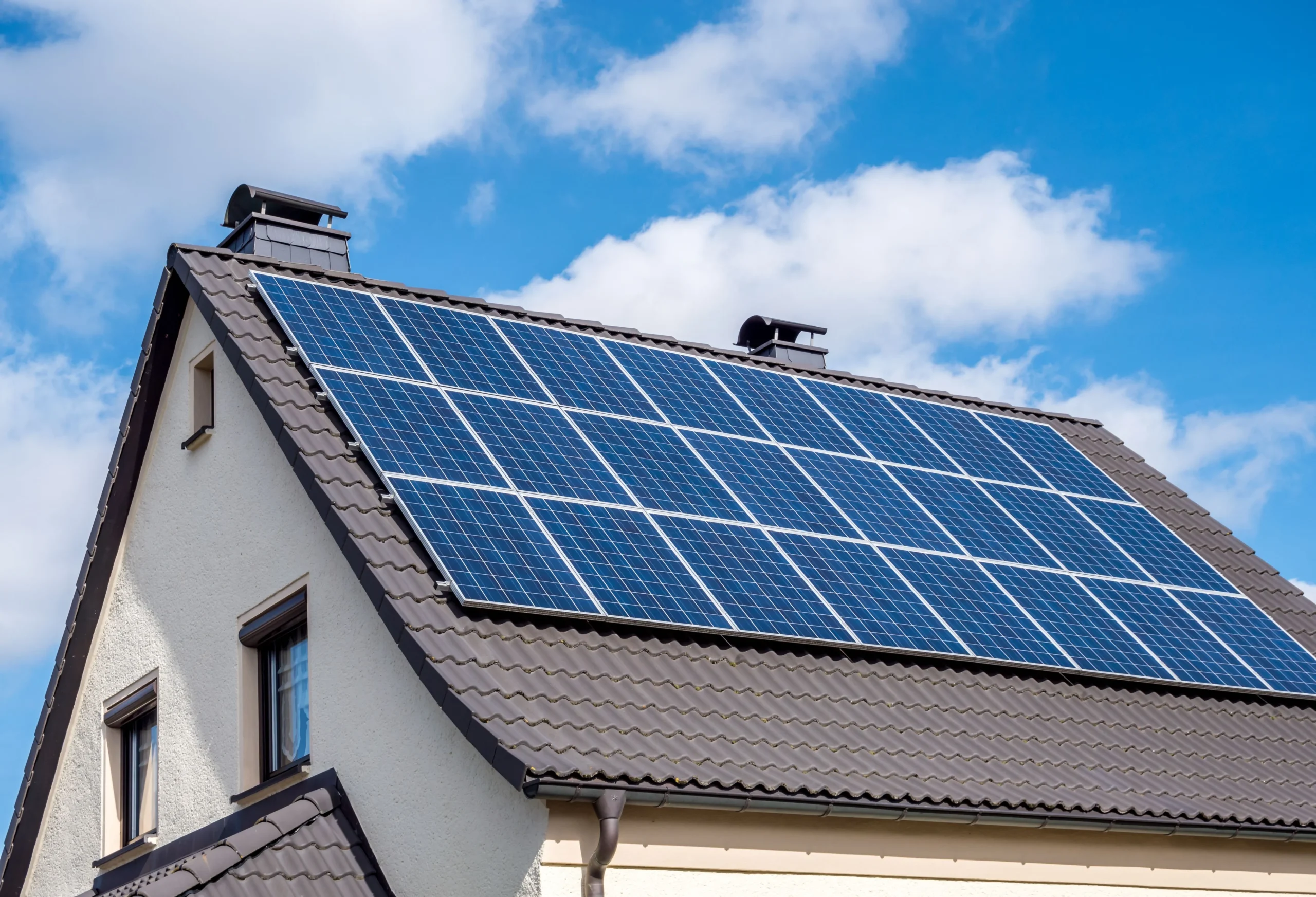
Solar panels affect the conveyancing process by triggering additional legal checks, lender requirements, and document reviews. Buyers and sellers in England and Wales may be required to provide MCS certificates, roof-space lease agreements, Feed-in Tariff (FiT) details, and other lender-compliant paperwork before exchange of contracts.
See what our customers have to say about us
Can Solar Panels Delay Conveyancing?
Yes, solar panels can affect the conveyancing process if there are missing documents, ownership issues, or concerns about lender compliance. However, it can easily be avoided if you have the key paperwork available, proof that panels are owned outright, or the installation meets mortgage lender requirements.
If you’re a buyer, you should be concerned about mortgage approval, title restrictions, and whether the solar panels will make you inherit legal or financial liabilities after completion.
If you’re selling your home with installed solar panels, your conveyancing work could differ from the norm.
Whether you’re buying or selling a property with solar panels, your conveyancer should:
- Identify who owns the solar panels
- Check if the solar panels are under a roof-space lease
- Review the MCS (Microgeneration Certification Scheme) certificates
- Ensure building regulations compliance
- Inspect roof warranties
- Look into Feed-in Tariff (FiT) or Smart Export Guarantee (SEG) documentation
- Confirm if the installation complies with UK Finance lender requirements
At Muve, we commonly see delays happen when sellers can’t provide installation documents or have ‘Rent-a-roof” agreements that fail to comply with mortgage lender requirements. Pay attention to these details to minimise delays in the conveyancing process.
Do Solar Panels Increase Property Value?
Solar panels usually improve property appeal and energy efficiency. However, they don’t always increase property value. Buyers and lenders usually prioritise ownership structure, documentation, and ease in conveyancing. If they see that the solar panel installation might complicate and delay the conveyancing process, they might reconsider the property.
In England and Wales, solar panels are becoming the norm. As of March 2026, the UK’s solar capacity had surpassed 2 million installations. This means that having solar panels is common enough that they hardly affect a property’s value.
However, solar panels can reduce a property’s value if:
- The panels are leased, not owned
- The seller can’t provide installation paperwork
- The roof-space lease fails to comply with mortgage lender requirements
- It has ongoing finance agreements secured against the property
If the property owns the solar panels outright and can produce complete documentation, these are generally more attractive to buyers and lenders.
What Legal Checks Are Required Before Buying A Property With Solar Panels?
Buying a property with solar panels involves additional legal checks involving ownership, warranties, energy agreements, planning compliance, and lender requirements. These additional legal checks can already delay conveyancing, especially if documents are missing.
Even if the solar panels are owned outright, conveyancers will still carry out checks before exchange, including:
- General condition of the panels
- Warranties that should be transferred to the buyer
- Future financial benefits from owning the panels
What documents should buyers request from the seller?
If you are buying a property with solar panels, your conveyancer should request the following from the seller’s conveyancer:
- MCS certificate
- Electrical installation certificates
- Roof and manufacturer warranties
- Building regulations approval
- Smart Export Guarantee (SEG) details
- Feed-in Tariff (FiT) documentation
- Maintenance agreements
- Repayment of financial agreements
If any of these documents are missing, lenders may require additional checks or further investigation. Sometimes, they might require indemnity insurance before a mortgage approval.
Roof-Space lease agreements
One of the biggest conveyancing risks to a property with solar panels is the roof-space lease agreement. These were common from 2010 to 2016, specifically in “rent-a-roof” schemes.
If you leased the panels or purchased them through a loan secured against the panels or your home, the lease or loan agreement should be provided to your buyer as part of the conveyancing process.
These schemes indicate that:
- A third-party company owns the solar panels
- The homeowner leases roof space to the solar provider
- The provider receives income from the generated electricity
- The lease may remain attached to the property even after sale
If the seller borrowed the money to install the panels, issues may arise regarding:
- Security for repayment that may affect the property
- Outstanding loan balances
- Transfer of loan obligations to the buyer
In case the roof-space lease fails to comply with the UK Finance Mortgage Lenders’ Handbook, the lender may request the following:
- A deed of variation
- Additional legal checks
- Changes to the lease terms (before completion)
- Confirmation of lender protections
We often advise buyers to investigate leased solar panels early to minimise delays. If there are issues, we’d still have enough time to resolve them and get the mortgage approved on time.
Can Solar Panels Affect Mortgage Approval?
Yes, solar panels can affect mortgage approval if lenders believe the installation creates title complications, legal risks, or maintenance concerns. Leased panels and missing documents are also common reasons for lenders to delay approval.
Among the issues mortgage lenders will focus on are:
- The solar provider is given too many rights in the roof-space lease
- Restriction on repossession rights
- Lack of installation certification
- Invalidated roof warranty
- The seller is unable to prove panel ownership
- There’s an outstanding financial liability secured against the installation
Tip from Muve: If your lender raises concerns about the solar panels, ask your conveyancer whether a deed of variation, additional lender approval, or indemnity insurance is enough to resolve the issue.
What Happens If Solar Panel Documents Are Missing?
Missing solar panel documents can delay conveyancing, especially those that confirm legal ownership, installation compliance, or any financial liabilities associated with the property. These include MCS certificates, building regulations approval, FiT agreements, and Roof-space lease documents.
If you’re the seller and you can’t provide the documents, possible solutions may include:
- Requesting duplicate certificates
- Contacting the energy provider or installer
- Negotiating with the buyer or lender
- Reducing the sale price to counter unresolved risks
- Obtaining indemnity insurance (if it cannot be resolved in time)
In some cases we’ve handled, the indemnity insurance was not always acceptable to mortgage lenders, especially where there were unresolved lease or compliance issues. Some lenders prefer a hard fix over the insurance. These have to be dealt with separately to get mortgage approval.
How Can Buyers And Sellers Avoid Conveyancing Delays With Solar Panels?
The best way to avoid conveyancing delays when dealing with solar panels is to identify issues and gather the necessary documents early.
At Muve, we believe that fast-tracking the conveyancing process involves early detection of issues. If you’re interested in selling or buying a property with solar panels, here’s a checklist of what you need to do.
Seller checklist
Before listing a property with solar panels, sellers should:
- Prepare all certificates and warranties
- Locate proof of panel ownership, whether it’s owned, leased, or financed
- Provide FiT or SEG documentation
- Pay off any outstanding financial obligations secured against the panel, if possible
- Disclose roof-space lease agreement early in the negotiations
Buyer checklist
Before making an offer for a property with a solar panel, buyers should:
- Clarify the panel’s ownership (outright, leased, or financed)
- Ask if all the installation paperwork is available
- Confirm lender requirements, specifically concerning solar panels
- Check the validity of the roof warranty
- Inspect how the installation affects the building insurance
Are Solar Panels Still Worth Considering?
Solar panels still offer long-term energy savings and environmental benefits. However, buyers and sellers are still encouraged to balance the benefits against legal considerations, especially if they want the option to sell in the future.
Kind Energy calculates an average annual benefit of £765 from solar panels. That means you can get a return on investment in 6.8 years. To check your actual savings and payback period, you need to check factors such as:
- Energy use
- Battery storage
- Electricity export rates
- Maintenance costs
- Roof orientation
- Energy tariffs
Government policies should also be monitored as they evolve over time, particularly those involving renewable energy incentives.
Are You Buying or Selling a Property with Solar Panels?
At Muve, we understand the significance of investing in solar or green energy. We’ve observed how it can drastically reduce your energy bills, but only under the right conditions.
While it won’t automatically cause complications, solar panels can delay if there are issues with ownership, lender requirements, or compliance documents.
With Muve’s digital-first conveyancing service across England and Wales, we can help you fast-track document collection and review certificates to avoid delays in your property transaction. We use proactive communication to ensure that lender requirements are met and issues are resolved with minimal impact on conveyancing timelines. Our fixed-fee pricing will also help you budget more confidently so you can reach completion smoothly.
If you’re still unsure and would like to know more about how solar panels could impact your transaction, feel free to get in touch with us.
Get a free conveyancing quote within minutes.
FAQs: Solar Panels
Yes, solar panels can affect conveyancing timelines, especially if the seller can’t provide documents to support ownership and compliance. These are necessary for meeting lender requirements prior to mortgage approval.
Missing documents can cause delays as lenders will require additional checks before approving the transaction.
Yes. Leased solar panels can delay mortgage approval if the roof-space lease fails to comply with the UK Finance Mortgage Lenders’ Handbook. There are also lenders who might request a deed of variation, or additional legal checks before proceeding with the transaction.
The documents needed are:
- MCS certificate
- Electrical installation certificates
- Roof and manufacturer warranties
- Building regulations approval
- Smart Export Guarantee (SEG) details
- Feed-in Tariff (FiT) documentation
- Maintenance agreements
- Repayment of financial agreements
Yes, you can. However, the missing paperwork will complicate the transaction. It can delay conveyancing or affect mortgage approval. Buyers and lenders will usually request duplicate certificates or further legal checks before agreeing to proceed with the transaction.

You might also like

Check property boundaries before a purchase through the title plan, property deeds, Land Registry ...

Fast conveyancing UK services use digital tools like e-signatures and ID checks to to ...